RestorativeKozhikode

Root canal treatment in Kozhikode

Root canal treatment saves a tooth whose inner pulp is infected or inflamed. We clean and seal the canals under local anaesthesia, then protect the tooth so you can keep chewing on it for years.

Visits
Often 1–2
Anaesthesia
Local
Usually followed by
A crown
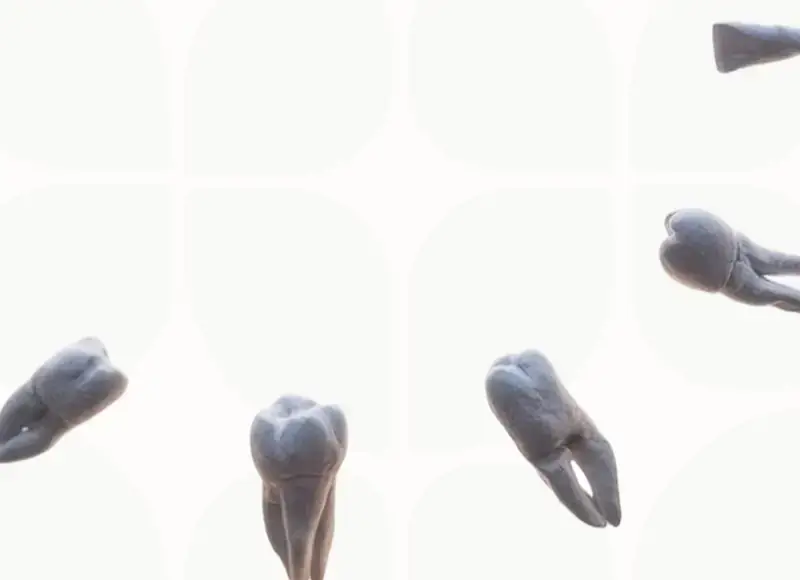
Illustration of molar teeth with their roots, floating over the Solid Smile petal pattern

Is it right for you?

You may need a root canal if you notice any of these. Only an examination and an X-ray can confirm it.

  • Pain that lingers after hot or cold food and drinks
  • Toothache when you bite or chew
  • A swollen gum or small boil near one tooth
  • A tooth that has darkened
  • A deep cavity or crack that reaches the nerve

How it works4 steps

What happens during treatment

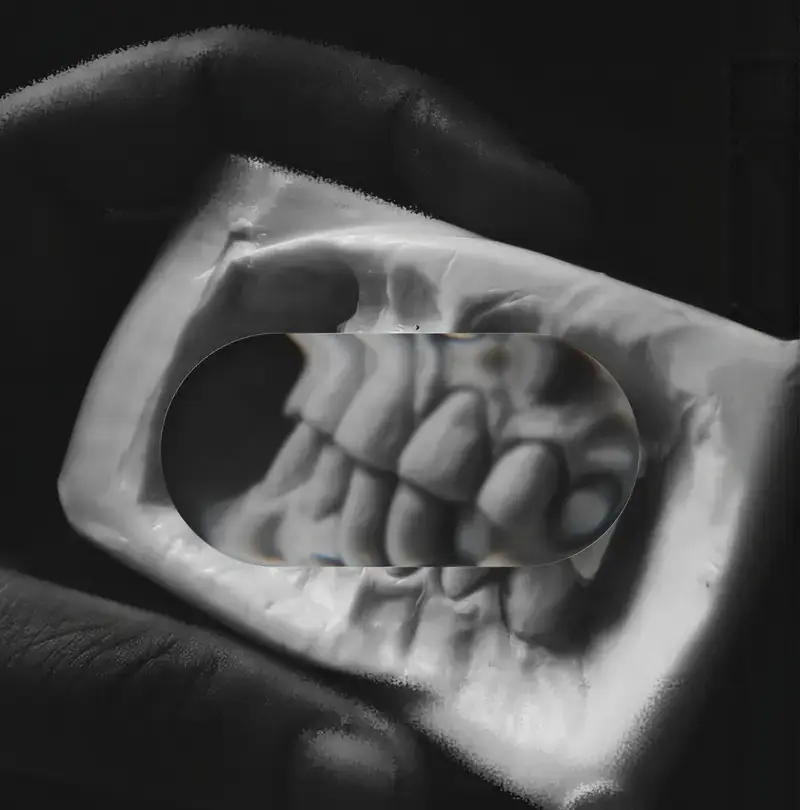
Close-up of a dental impression of the teeth
  1. 1

    Scan & X-ray

    We check the tooth and the root shape, then explain what we found and what the treatment involves.

  2. 2

    Numb & clean

    Under local anaesthesia we remove the infected pulp and clean the canals with rotary instruments.

  3. 3

    Fill & seal

    The canals are shaped, disinfected and sealed so bacteria cannot return.

  4. 4

    Protect

    Most treated back teeth need a crown to stop them cracking. We plan it with you.

A smile you don't have to hide

Tooth pain? Message us and we will find the earliest time.

What is root canal treatment?

Inside every tooth is soft tissue called the pulp, which holds the tooth’s nerve and blood supply. When a deep cavity, a crack or an old, leaking filling lets bacteria reach the pulp, it becomes inflamed or infected. Because the pulp sits inside hard enamel and dentine, the swelling has nowhere to go, which is why an infected tooth can throb, keep you awake or react sharply to hot and cold.

Root canal treatment (also called RCT or endodontic treatment) removes that infected pulp, cleans the narrow canals inside the roots, and seals them so bacteria cannot return. The outer tooth stays in place, so you keep chewing on your own tooth rather than replacing it.

Why save the tooth instead of removing it?

An extraction can seem quicker, but a missing tooth changes your bite. Neighbouring teeth drift into the gap, the bone where the root used to be slowly shrinks, and chewing shifts to other teeth. Replacing the tooth later with an implant or bridge takes more time and more visits than saving it now. When a tooth can be saved, a root canal followed by a crown is usually the simpler, longer-lasting choice.

Single-sitting root canal in Kozhikode

Many people asking about RCT in Calicut and Kozhikode want to know whether a root canal can be done in one sitting. Often it can. Rotary instruments clean and shape the canals more efficiently than hand files, so a tooth with straightforward roots and no swelling may be completed in a single visit. If there is an abscess, severe infection or complex root anatomy, we place a medicated dressing and finish at a second visit so the canals are properly disinfected first. We tell you which applies to your tooth before we begin.

How we keep treatment comfortable

  • Local anaesthesia is given slowly and checked before we start, so the tooth is fully numb.
  • A clear plan first: we show you the X-ray and explain the steps, the number of visits and whether a crown will follow.
  • Unhurried appointments with breaks whenever you need them. Raise a hand at any time and we pause.
  • Follow-up: we check the tooth after treatment and plan its crown with you, so it is protected for the long term.

Root canal or filling: how do we decide?

If decay has not yet reached the pulp, a tooth-coloured filling is usually enough. A root canal is needed when the pulp itself is inflamed or infected. The signs above, together with a clinical examination and an X-ray, tell us which one you need. After treatment, most back teeth are protected with a zirconia or ceramic crown. If a tooth is too damaged to save, we will explain the options for replacing it, including dental implants.
Recovery

Mild tenderness for a few days is common and usually eases with simple pain relief. Most people go back to work the same day. Avoid biting hard food on the tooth until its crown is fitted.

Root canal questions

Is root canal treatment painful?

The tooth is numbed with local anaesthesia, so treatment usually feels like a long filling. It is the infection that causes pain, and treatment relieves it.

How many visits does it take?

Many root canals are finished in one or two visits. A tooth with a severe infection, curved roots or extra canals may need a third visit so the canals can be disinfected properly before they are sealed.

Will I need a crown afterwards?

Usually, for back teeth. A tooth that has had a root canal is more brittle, and a crown protects it from cracking under chewing forces. Front teeth with little damage can often be restored with a filling instead.

What if I leave it untreated?

The infection does not heal on its own. It can spread into the bone, cause a painful abscess or facial swelling, and the tooth may eventually need to be removed. Treating it early is simpler and keeps your natural tooth.

Is a root canal better than removing the tooth?

In most cases, yes. Keeping your own tooth preserves your bite and the bone around it, and avoids the cost and time of replacing it with an implant or bridge later.

RelatedTreatments

Related treatments

Last reviewed . This page is general information; your dentist will advise on your own treatment after an examination. Questions? Contact us.

WhatsApp Call