RestorativeKozhikode

Dental crowns in Kozhikode

A dental crown is a custom-made cap that covers a weak, broken or root-canal-treated tooth to restore its strength and shape. We scan the tooth digitally, then fit a zirconia or ceramic crown matched to your bite and the colour of your other teeth.

Visits
Usually 2
Materials
Zirconia or ceramic
Impressions
3D digital scan
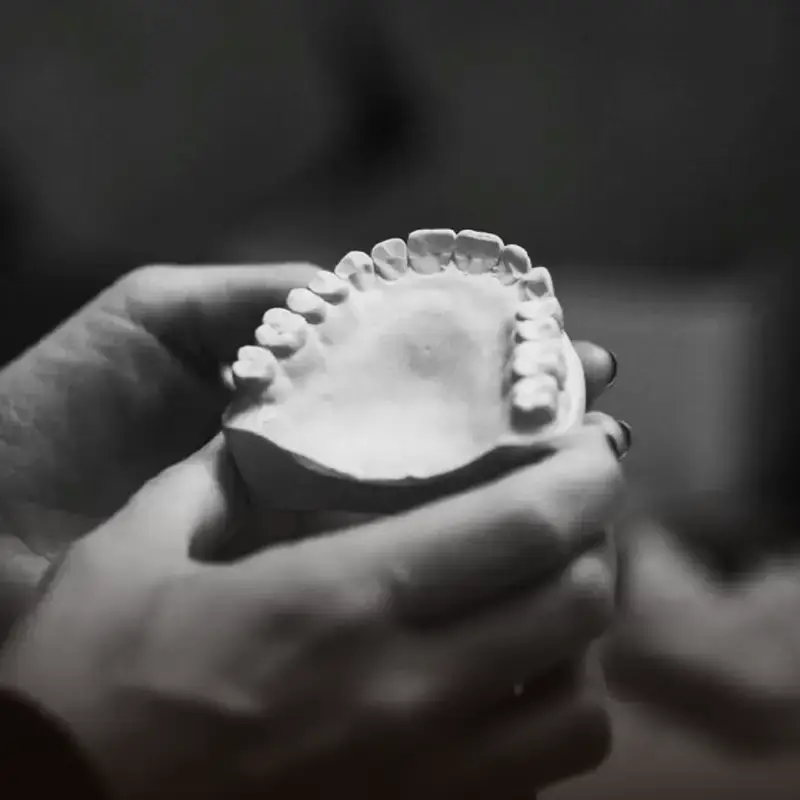
A dentist holding a plaster model of an upper jaw

Is it right for you?

A crown may be the right choice if one of these applies. Your dentist will confirm after an examination and, where needed, an X-ray.

  • A back tooth that has had root canal treatment
  • A large filling that is cracking or keeps breaking
  • A tooth that is chipped, fractured or badly worn
  • A front tooth that is discoloured or misshapen and too damaged for a veneer
  • A dental implant or bridge that needs a visible tooth on top

How it works4 steps

What happens during treatment

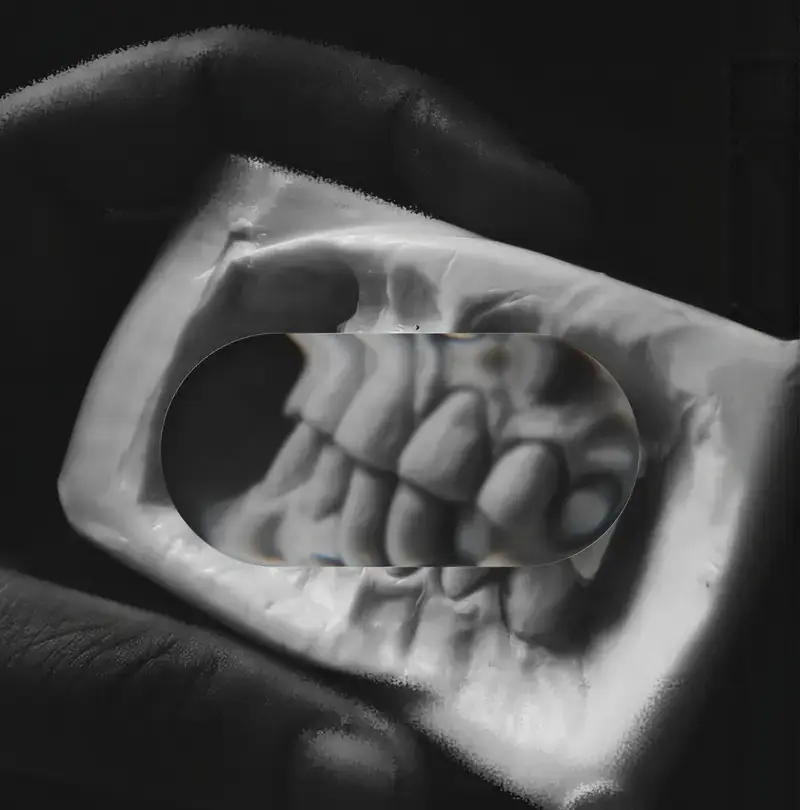
Close-up of a dental impression of the teeth
  1. 1

    Examine & plan

    We check the tooth, its root and your bite, then explain whether a crown is needed and which material suits it.

  2. 2

    Prepare & scan

    Under local anaesthesia we shape the tooth, then take a 3D digital scan instead of a putty impression.

  3. 3

    Temporary crown

    A temporary crown protects the tooth while your final crown is made to the scan.

  4. 4

    Fit & check

    We try the crown in, check the colour, fit and bite, then bond it in place.

A smile you don't have to hide

Cracked or weak tooth? Message us to plan your crown.

What is a dental crown?

A crown, often called a tooth cap in Calicut, covers the whole visible part of a tooth down to the gum line. It restores the tooth’s shape and lets you chew on it with confidence again. Unlike a filling, which repairs a hole inside the tooth, a crown wraps around it and holds it together. That is why crowns are used when too little healthy tooth remains for a filling to last, when a tooth has cracked, or after root canal treatment.

A small amount of the outer tooth is shaped to make room for the crown, so it sits in line with your other teeth. The crown is then bonded in place and is not removed for cleaning.

Zirconia crown or ceramic crown?

We use two metal-free materials, and the choice depends on the tooth.

  • Zirconia is a very strong, tooth-coloured material. A zirconia crown in Kozhikode is often our first suggestion for molars and premolars, for teeth under heavy chewing load, and for people who clench or grind.
  • Ceramic (all-porcelain) crowns are slightly more translucent, so they mimic the way natural enamel reflects light. They often suit front teeth, where appearance matters most.

Both are matched to the shade of your neighbouring teeth. We explain the trade-offs for your tooth before you decide, and we will tell you if a smaller restoration such as a tooth-coloured filling would do the job instead.

Why we scan instead of taking putty impressions

We use 3D digital intraoral scanning to record the prepared tooth. A small wand captures the tooth and its neighbours in a few minutes, so there is no tray of putty to hold in your mouth. The scan gives the crown a precise fit to your tooth and bite, and you can see the 3D image on screen while we explain the plan.

Crown and bridge treatment in Kozhikode

Crowns are often part of a larger plan. A crown and bridge can replace a missing tooth by anchoring a false tooth to crowns on the teeth either side of the gap. A crown can also sit on top of a dental implant, which avoids shaping the neighbouring teeth. After root canal treatment, most back teeth need a crown to stop them cracking. Where several teeth are worn or damaged, we plan the crowns together so your bite stays balanced.

Caring for your crown

A crown cannot decay, but the tooth underneath and the gum around it still can. Brush twice a day, clean between your teeth, and avoid using your teeth to open packets or bite very hard objects. If you grind at night, your dentist may suggest a night guard to protect both the crown and your natural teeth.
Recovery

The tooth and gum may feel slightly tender for a day or two after preparation and fitting. You can usually eat normally once the final crown is bonded. Brush and floss around it as you would a natural tooth, and keep up regular check-ups.

Dental crown questions

Zirconia or ceramic crown, which should I choose?

Zirconia is very strong and often suits back teeth that take heavy chewing forces, or people who grind their teeth. Ceramic (all-porcelain) crowns let more light through, so they often suit front teeth where appearance matters most. Your dentist will advise based on the tooth's position, your bite and how it looks.

Does getting a crown hurt?

The tooth is numbed with local anaesthesia while it is prepared, so most people feel pressure rather than pain. Mild sensitivity for a day or two afterwards is common and usually settles on its own.

How long does a dental crown last?

Many crowns last ten years or longer with good care. How long yours lasts depends on your oral hygiene, your bite, habits such as grinding, and regular check-ups.

Why do I need a crown after a root canal?

A tooth that has had root canal treatment is more brittle and can crack under chewing forces, especially at the back of the mouth. A crown holds the tooth together and seals it, which helps protect the root canal treatment.

What is the difference between a crown and a bridge?

A crown covers one tooth. A bridge replaces a missing tooth by attaching a false tooth to crowns on the teeth either side of the gap, or to implants.

RelatedTreatments

Related treatments

Last reviewed . This page is general information; your dentist will advise on your own treatment after an examination. Questions? Contact us.

WhatsApp Call