
CosmeticKozhikode

Veneers in Calicut

Veneers are thin, tooth-coloured shells bonded to the front of teeth to improve their colour, shape or size. We provide porcelain and composite veneers, plan them with you from a digital preview, and match them to your natural teeth.

Materials
Porcelain or composite
Visits
Often 1–3
Planning
Digital preview
A woman smiling into a hand mirror

Is it right for you?

Veneers may suit you if your front teeth are healthy but you would like to change how they look. Your dentist will check your teeth and gums first.

  • Chipped or worn front teeth
  • Stains that do not lift with whitening
  • Small gaps between front teeth
  • Teeth that look too short, small or uneven
  • Slightly crooked teeth, where aligners are not preferred

How it works4 steps

What happens during treatment

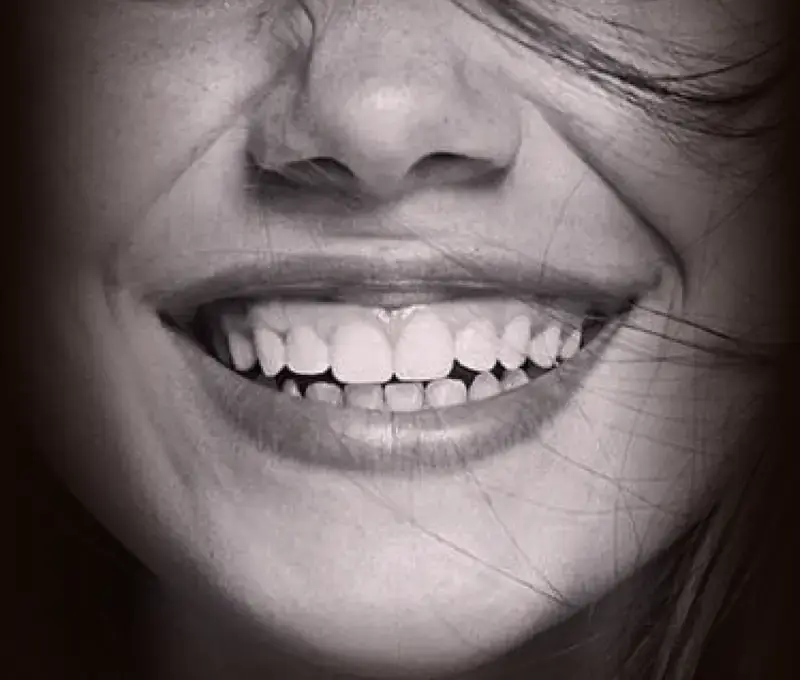
Black-and-white close-up of a natural smile
  1. 1

    Consult & preview

    We check your teeth and gums, take photographs and a 3D scan, and show you a digital preview of the planned shape and shade.

  2. 2

    Prepare

    For porcelain veneers a thin layer of enamel is usually reshaped, under local anaesthesia if needed. Composite often needs little or none.

  3. 3

    Make or build

    Composite veneers are sculpted directly on the tooth in one visit. Porcelain veneers are made to a digital scan, with temporaries in between.

  4. 4

    Bond & polish

    Each veneer is bonded in place, then we check your bite and polish the edges.

A smile you don't have to hide

Chips, stains or gaps? Message us to talk about veneers.

What are dental veneers?

A veneer covers the front surface of a tooth, a little like a thin shell. Because it sits on the part of the tooth you see when you smile, it can change the tooth’s colour, length and shape without covering the whole tooth as a crown does. Veneers are mostly used on the front teeth to repair chips, mask stains that whitening cannot reach, close small gaps and even out teeth of different sizes.

They work on healthy teeth. If a tooth is heavily filled, cracked or has had a root canal, a zirconia or ceramic crown is often the stronger choice.

Porcelain vs composite veneers

Both types are tooth-coloured and bonded to the tooth. The difference is in how they are made, how much tooth is involved and how they age.

Porcelain veneers are made outside the mouth to a precise digital scan and then bonded on.

  • Resist staining and keep their shine for many years
  • Reflect light much like natural enamel
  • Usually need a thin layer of enamel reshaped, so the change is not reversible
  • Need two or more visits, with temporary veneers in between

Composite veneers are built up in tooth-coloured resin directly on the tooth and shaped by hand.

  • Often completed in a single visit
  • Need little or no enamel removal
  • Can be repaired or adjusted easily if they chip
  • Can stain and wear sooner, so may need polishing or replacing earlier

People asking about porcelain veneers in Kozhikode often want a long-lasting result for several front teeth. Composite veneers in Calicut can suit a smaller change, younger patients, or someone who would like to try a new shape first. Your dentist will explain which fits your teeth and goals.

Planning veneers that look like your own teeth

Veneers should look as though they belong in your smile. We take photographs and a 3D digital intraoral scan, then create a digital preview of the planned shape and shade so you can see it before any tooth is changed. Where it helps, a temporary mock-up lets you try the new look in the mirror. If your natural teeth are darker than you would like, we often suggest teeth whitening first, so the veneers can be matched to a brighter natural shade. Veneers are frequently one part of a wider smile design plan.

Caring for veneers

Look after veneers as you would your natural teeth. Brush twice a day with a non-abrasive toothpaste, clean between your teeth, and keep up regular check-ups and cleaning. Avoid biting nails, pens or ice, and if you grind your teeth at night, a night guard can help protect them.
Recovery

There is usually no recovery time, and you can return to normal activities the same day. Some people notice mild sensitivity to hot and cold for a few days. Avoid biting very hard objects with veneered teeth, and keep up regular check-ups.

Veneer questions

How long do veneers last?

Porcelain veneers often last 10 to 15 years or more with good care. Composite veneers usually last around 5 to 7 years and may need occasional polishing or repair. Grinding, biting hard objects and gum health all affect how long they last.

Porcelain or composite veneers, which should I choose?

Porcelain resists staining, keeps its shine and lasts longer, but it usually needs some enamel to be removed and takes two or more visits. Composite is quicker, often needs little or no enamel removal and is easier to repair, but it can stain and wear sooner. Your dentist will advise based on your teeth and goals.

Do veneers damage your teeth?

Porcelain veneers usually need a thin layer of enamel to be reshaped, so the tooth will always need a covering afterwards. Composite veneers are more conservative. We keep preparation to the minimum your plan needs.

Can veneers be whitened?

No. Veneers keep the shade they are made in and do not respond to whitening. If you would like brighter teeth, we usually whiten your natural teeth first and then match the veneers to that shade.

Do veneers hurt?

Composite veneers often need no anaesthesia. For porcelain veneers, local anaesthesia is used while the enamel is shaped, so most people feel little discomfort.

RelatedTreatments

Related treatments

Last reviewed . This page is general information; your dentist will advise on your own treatment after an examination. Questions? Contact us.

WhatsApp Call