
RestorativeKozhikode

Cavity treatment (tooth fillings) in Kozhikode

Cavity treatment removes the decayed part of a tooth and rebuilds it with a filling so the decay cannot spread further. We use tooth-coloured fillings, remove only what is necessary, and keep as much of your natural tooth as possible.

Visits
Usually 1
Anaesthesia
Local, if needed
Filling material
Tooth-coloured
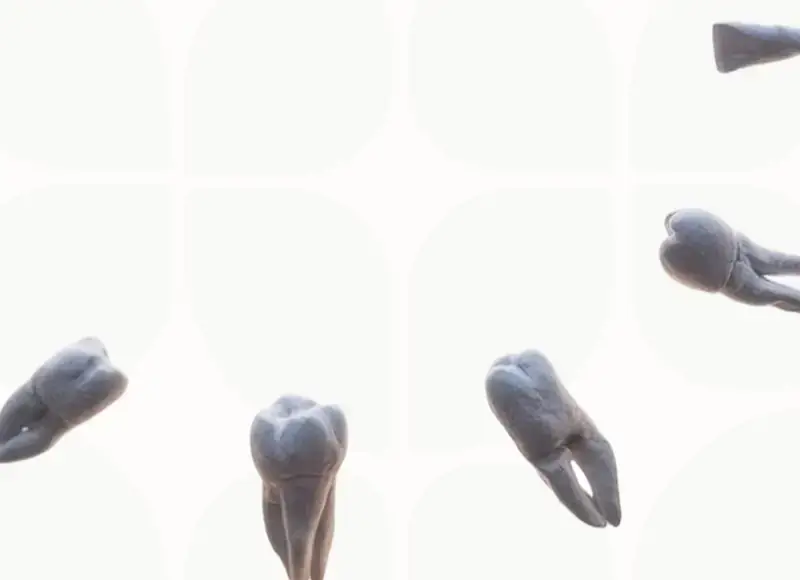
Illustration of molar teeth with their roots, floating over the Solid Smile petal pattern

Is it right for you?

Early cavities often cause no pain at all. You may need a filling if you notice any of these.

  • Sensitivity to sweet, hot or cold food and drinks
  • A visible hole, dark spot or rough edge on a tooth
  • Food that keeps getting stuck between the same teeth
  • A filling that has cracked, chipped or fallen out
  • A small chip or worn edge on a front tooth

How it works4 steps

What happens during treatment

Close-up of a woman smiling
  1. 1

    Examine

    We check the tooth, take an X-ray if needed to see how deep the decay goes, and explain what we found.

  2. 2

    Numb & clean

    If needed, the tooth is numbed with local anaesthesia, then the decay is removed carefully, keeping healthy tooth intact.

  3. 3

    Fill

    Tooth-coloured composite is placed in thin layers, each set with a curing light, and shaped to your natural tooth.

  4. 4

    Polish & check

    We check your bite, adjust any high spots and polish the filling so it feels smooth.

A smile you don't have to hide

Noticed a cavity? Message us and we will find the earliest time.

What is a cavity?

A cavity (dental caries) starts when bacteria in plaque feed on sugars and produce acid. Repeated acid attacks dissolve minerals from the enamel, first leaving a white or brown spot, then a small hole. Because enamel has no nerves, early decay often causes no pain. As it reaches the softer dentine underneath, it spreads faster and the tooth may become sensitive.

Cavities are most common in the grooves of back teeth, between teeth where a brush cannot reach, and along the edges of old fillings. Regular check-ups help us find them while they are still small.

Tooth-coloured fillings that keep more of your tooth

We restore cavities with tooth-coloured composite fillings, matched to the shade of your tooth. Composite bonds to the enamel and dentine, so we usually need to remove less healthy tooth than with older metal fillings, which rely on undercuts to stay in place. The bond also helps support the remaining tooth structure.

For anyone searching for a tooth-coloured filling in Calicut, the main appeal is often how natural it looks. Just as important is that it lets us work conservatively, which is the idea behind modern caries management: remove the decay, protect what is healthy, and seal the tooth.

When a filling is not enough

Fillings suit small and medium cavities. If decay has destroyed a large part of the tooth, a filling may be too weak to withstand chewing, and a zirconia or ceramic crown may protect it better. If decay has reached the pulp, the tooth usually needs root canal treatment before it can be restored. We explain which applies to your tooth before we start, and show you the X-ray.

Fillings for children

Children’s milk teeth have thinner enamel and can decay quickly. Treating a cavity early with a small filling keeps the tooth comfortable and holds space for the adult tooth underneath. Our kids’ dentistry visits focus on preventing cavities with fluoride and sealants, and treating them gently when needed.

Preventing new cavities

A filling repairs a tooth, but prevention keeps the next one away. Brush twice daily with fluoride toothpaste, clean between your teeth every day, and keep sugary snacks and drinks to mealtimes. If you have been searching for cavity filling near me around Eranhipalam or elsewhere in Kozhikode, a check-up every six months is the simplest way to catch decay while it is still small.

Recovery

You can eat once the numbness has worn off, usually within two to three hours. Mild sensitivity to cold for a few days is common after a deeper filling and usually settles. If your bite feels high, let us know and we will adjust it.

Cavity and filling questions

Does getting a filling hurt?

Most fillings are done with local anaesthesia, so you feel pressure and vibration but not pain. Very small, shallow cavities can sometimes be treated without numbing at all.

How long do tooth-coloured fillings last?

Many last for years, depending on the size of the filling, how hard you bite and how well you look after your teeth. Regular check-ups let us spot wear or leakage early and repair a filling before problems develop.

Can a cavity heal on its own?

A very early spot that has not broken through the enamel can sometimes reharden with fluoride and better cleaning. Once a cavity has formed a hole, it cannot heal and usually needs a filling to stop it growing.

Should I replace my old silver fillings?

Not automatically. Sound amalgam fillings can be left in place. If an old filling is cracked, leaking or has decay underneath, we can replace it with a tooth-coloured filling, and your dentist will advise which ones need attention.

When does a cavity need a root canal instead of a filling?

When decay reaches the pulp, the nerve inside the tooth, a filling alone is no longer enough. Lingering pain after hot or cold, or toothache that wakes you, can be signs of this, and an X-ray helps us decide.

RelatedTreatments

Related treatments

Last reviewed . This page is general information; your dentist will advise on your own treatment after an examination. Questions? Contact us.

WhatsApp Call